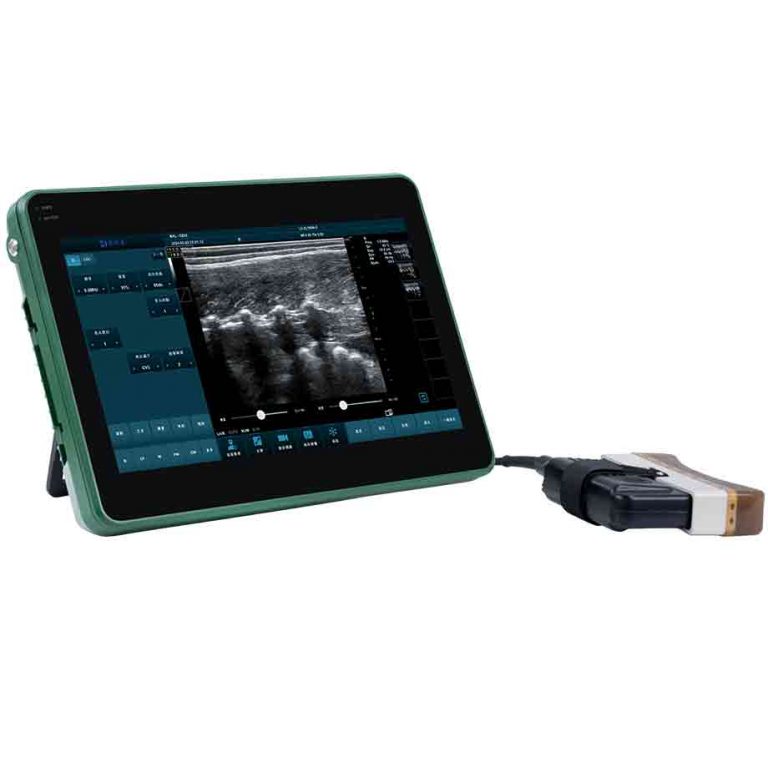
Pregnancy Diagnosis 21 Days After Insemination: How Ultrasound Helps Detect Early Pregnancy in Cattle

Pregnancy Diagnosis 21 Days After Insemination: How Ultrasound Helps Detect Early Pregnancy in Cattle
Why Is Pregnancy Diagnosis 21 Days After Insemination Important?
Artificial insemination (AI) plays an important role in modern dairy and beef cattle production. It allows farmers to improve herd genetics, increase reproductive efficiency, and manage breeding programs more effectively.
However, not every inseminated cow becomes pregnant.
For cattle farmers and veterinary professionals, identifying non-pregnant cows as early as possible is essential for reducing reproductive delays and improving herd productivity.
This is why pregnancy diagnosis 21 days after insemination has attracted considerable attention among cattle breeders and veterinary practitioners.
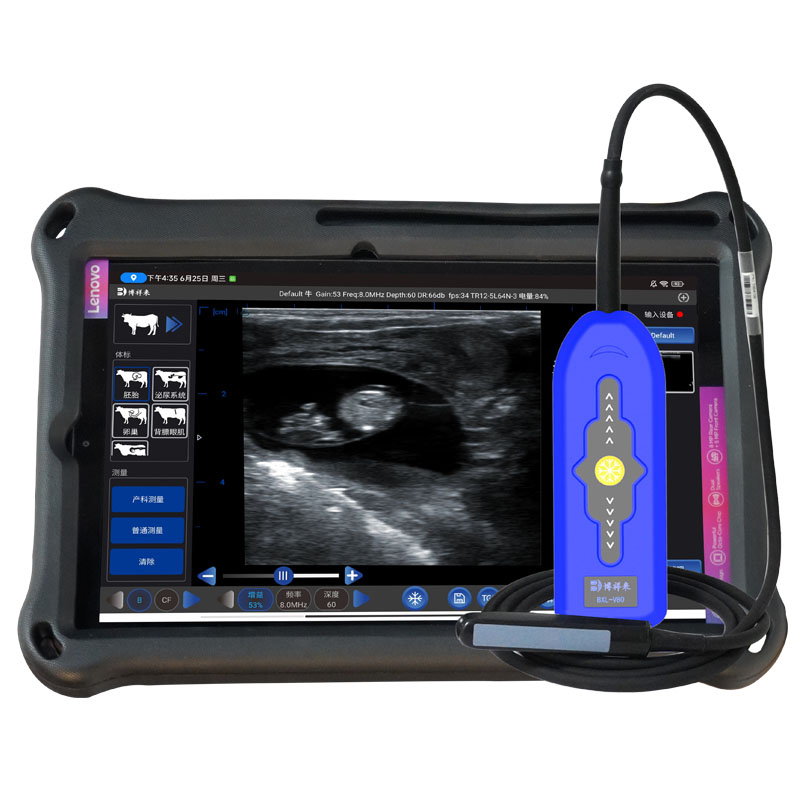
The period around 21 days after insemination is particularly important because it coincides with maternal recognition of pregnancy in cattle.
At this stage, the reproductive system undergoes important physiological changes. Veterinarians can use reproductive examinations and advanced ultrasound technology to monitor ovarian activity and assess pregnancy-related indicators.
Early reproductive monitoring can help cattle farms:
– Identify cows that may need further reproductive examination.
– Improve breeding management and insemination scheduling.
– Monitor corpus luteum development.
– Evaluate ovarian and uterine conditions.
– Reduce unnecessary delays in reproductive decision-making.
– Improve overall herd reproductive performance.
For large dairy farms, beef cattle operations, and professional breeding centers, an effective pregnancy monitoring program can make a significant difference in farm management.
2. What Happens Inside a Cow 21 Days After Insemination?
To understand early pregnancy diagnosis, it is important to understand the reproductive process following artificial insemination.
After fertilization, the developing embryo moves through the oviduct and enters the uterus.
During the following days, the embryo continues developing and eventually produces signals that help maintain the corpus luteum.
Around days 15–17 after insemination, maternal recognition of pregnancy takes place in cattle. This process prevents the normal release of luteolytic prostaglandin F2α, which would otherwise cause corpus luteum regression.
By approximately day 21, several reproductive structures and physiological indicators can be evaluated.
Important reproductive indicators include:
1. Corpus Luteum (CL)
The corpus luteum develops on the ovary following ovulation. It produces progesterone, which is essential for maintaining the uterine environment during pregnancy.
2. Corpus Luteum Blood Flow
The corpus luteum is a highly vascularized structure. Doppler ultrasound can visualize its blood supply and provide additional information about ovarian activity.
3. Uterine Changes
The uterus undergoes physiological changes during early pregnancy. However, these changes are subtle and may not be sufficient for definitive ultrasound diagnosis at day 21.
4. Embryonic Development
The embryo is still very small at this stage. Direct visualization using conventional transrectal B-mode ultrasound is challenging.