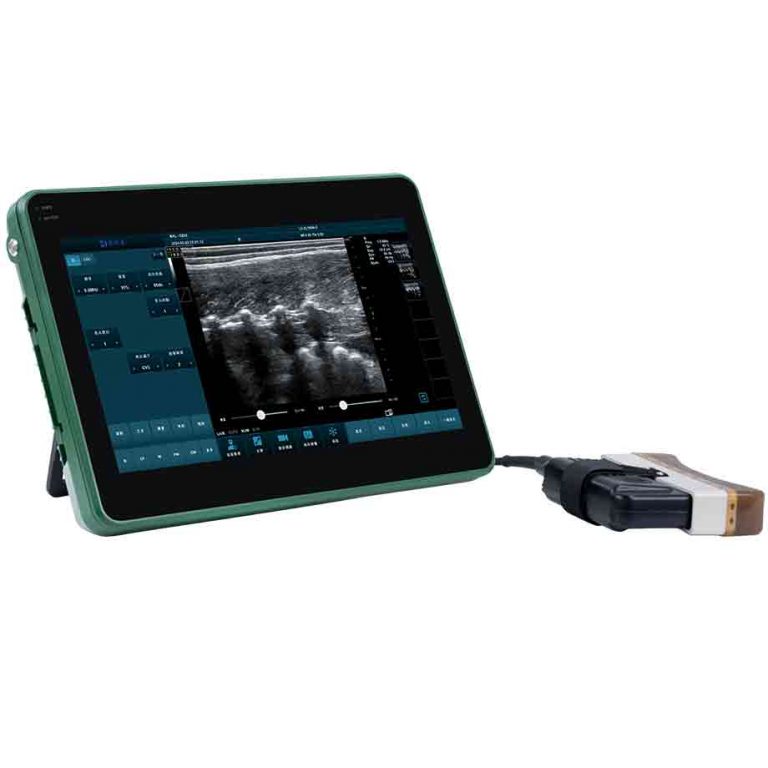
Bovine Ultrasound Pregnancy: A Key Technology for Modern Cattle Reproduction Management

Bovine Ultrasound Pregnancy: A Key Technology for Modern Cattle Reproduction Management
In today’s competitive livestock industry, reproductive efficiency is one of the most important factors affecting the profitability of both dairy and beef cattle operations. Accurate and early pregnancy diagnosis allows producers to make informed management decisions, reduce reproductive losses, and maximize herd productivity.
Among various reproductive diagnostic methods, bovine ultrasound pregnancy examination has become the gold standard for modern cattle breeding programs. With advances in veterinary imaging technology, portable ultrasound systems now provide veterinarians and farmers with fast, accurate, and non-invasive pregnancy diagnosis directly in the field.
This article explains the benefits of bovine ultrasound pregnancy diagnosis, its applications in cattle reproduction management, and why veterinary ultrasound equipment has become an essential investment for livestock operations worldwide.
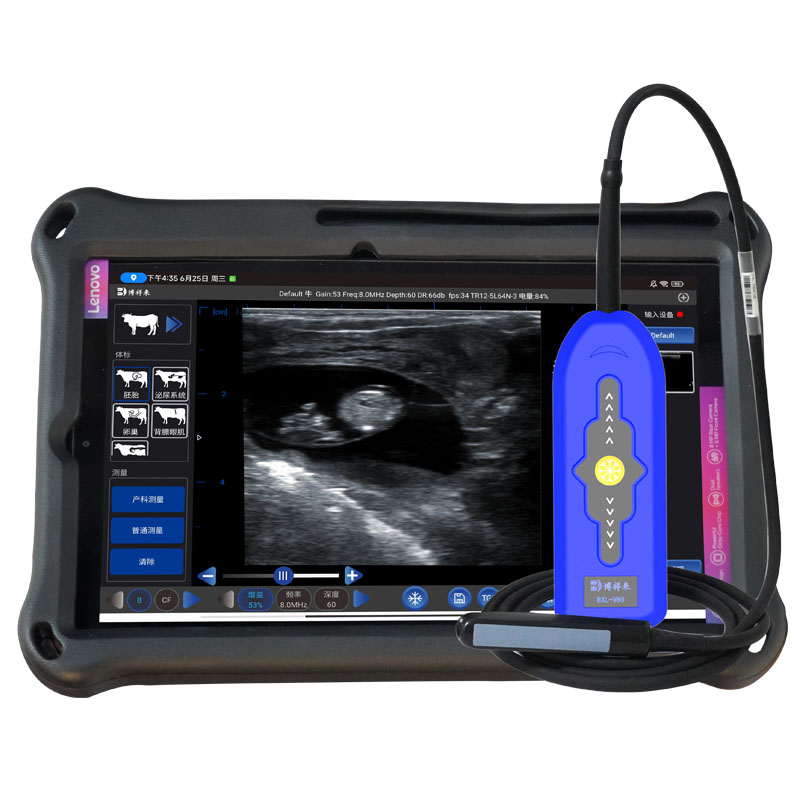
What Is Bovine Ultrasound Pregnancy Diagnosis?
Bovine ultrasound pregnancy diagnosis is the use of ultrasound imaging technology to determine whether a cow or heifer is pregnant after natural breeding or artificial insemination (AI).
A specialized veterinary ultrasound scanner generates real-time images of the reproductive tract, allowing operators to visualize:
The uterus
Embryonic structures
Fetal heartbeat
Ovaries
Follicles
Corpus luteum
Unlike traditional pregnancy detection methods, ultrasound provides detailed reproductive information that supports better herd management decisions.
Why Is Bovine Ultrasound Pregnancy Testing Important?
Pregnancy diagnosis plays a critical role in cattle reproduction programs. Identifying pregnant and non-pregnant animals early helps producers improve breeding efficiency and reduce economic losses.
Key Benefits Include:
Earlier pregnancy confirmation
Faster identification of open cows
Improved conception rate management
Reduced calving intervals
Enhanced reproductive performance
Better herd health monitoring
Increased farm profitability
For commercial cattle operations, every missed breeding opportunity can result in significant financial losses. Therefore, accurate and timely pregnancy diagnosis is essential.
Advantages of Ultrasound in Bovine Pregnancy Detection
Early Pregnancy Detection
One of the biggest advantages of bovine ultrasound pregnancy diagnosis is the ability to detect pregnancy at an early stage.
Using high-resolution veterinary ultrasound equipment, pregnancy can often be confirmed as early as:
25–30 days after breeding
28–35 days after artificial insemination
Early detection allows non-pregnant animals to be re-bred quickly, improving overall reproductive efficiency.
Real-Time Fetal Visualization
Ultrasound provides real-time imaging of fetal development, allowing veterinarians to observe:
Embryonic growth
Fetal heartbeat
Fetal movement
Uterine health
This level of diagnostic information is not available through traditional palpation methods.
Improved Diagnostic Accuracy
Modern veterinary ultrasound scanners offer excellent image quality, helping reduce misdiagnosis and improve pregnancy confirmation rates.
Accurate diagnosis leads to:
Better breeding decisions
Improved herd records
More efficient reproductive management
Fetal Viability Assessment
Ultrasound allows evaluation of fetal viability through direct observation of fetal cardiac activity.
This helps producers identify reproductive problems earlier and take corrective action when necessary.
Twin Pregnancy Identification
Twin pregnancies can create management challenges and increase calving risks.
Bovine ultrasound examinations can detect twins during early gestation, enabling better monitoring and nutritional management throughout pregnancy.
Applications of Bovine Ultrasound Beyond Pregnancy Diagnosis
Although pregnancy detection is one of the most common uses, veterinary ultrasound technology supports many aspects of cattle reproduction.
Ovarian Examination
Ultrasound enables detailed assessment of ovarian structures, including:
Follicles
Corpus luteum
Ovarian cysts
This information is valuable for fertility evaluation and breeding management.
Artificial Insemination Programs
AI programs benefit greatly from ultrasound monitoring because veterinarians can:
Evaluate ovarian activity
Monitor follicular development
Determine optimal breeding timing
Improve conception rates
Reproductive Health Monitoring
Regular ultrasound examinations help identify:
Reproductive disorders
Uterine infections
Ovarian abnormalities
Fertility problems
Early diagnosis improves treatment outcomes and overall herd reproductive performance.
Embryo Transfer Programs
Advanced cattle breeding operations frequently use ultrasound to support embryo transfer procedures and monitor recipient cows.
Features to Look for in a Bovine Ultrasound Machine